
DRS-C: compact on-demand fishing buoy
On-demand fishing gear, also known as ropeless gear, in a compact format: the buoy stays on the seafloor with your traps and surfaces only when you trigger it.
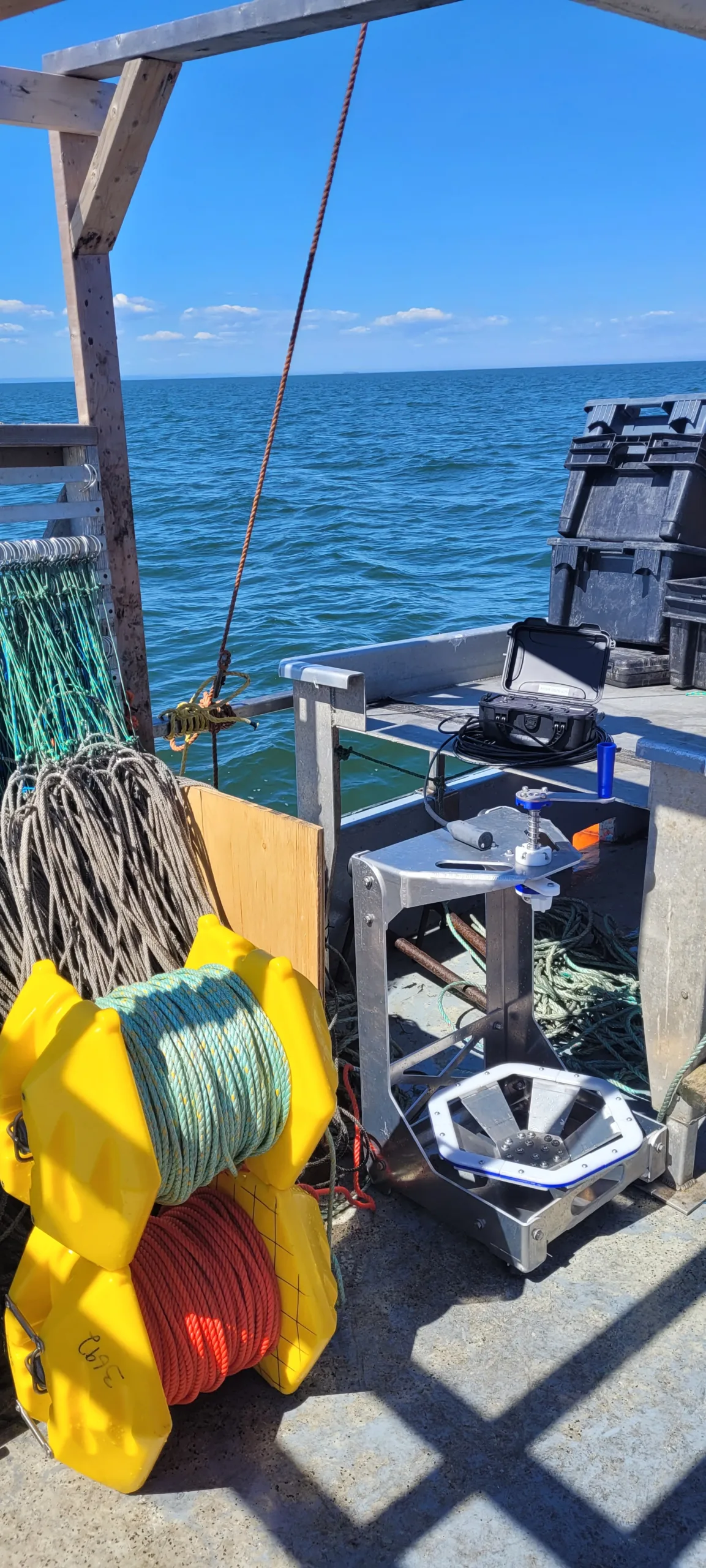
At a glance
- 75 m (245 ft) of 1/2 in rope or 145 m (475 ft) of 3/8 in rope, adaptable capacity
- Battery life up to 300 days, rechargeable batteries
- Acoustic range up to 1 km
- Depth depends on configuration. With an anchor and thinner rope: 150 m target, being validated
A new model, built on what we learned with DRS-3
DRS-C draws on our experience with DRS-3: improved hydrodynamics, reduced cost, and a lighter, more compact design.
Who it’s for
DRS-C is designed for lobster and crab harvesters who want a compact, simple system that takes little deck space, even on smaller boats. For lobster, this type of gear is also called ropeless lobster gear. Combined with an anchor and thinner rope, it can be used in considerably deeper water (150 m target, being validated).
The same on-demand retrieval technology is also used to deploy and recover scientific instruments and subsea equipment.
Which model is for you? Both DRS-C and DRS-3 can be used for lobster and crab. The choice mainly depends on how many traps you haul per day and how much rewinding automation you need: for now, DRS-C is rewound with a manual rewinder (optional electric motor), while DRS-3 has an automatic rewinder.
Why DRS-C?
- Less risk for whales: no vertical rope in the water column until retrieval, which reduces the main risk of entanglement.
- Access to fishing grounds: where regulations allow on-demand gear, keep fishing in areas closed to traditional gear, without moving your traps.
- Less lost gear: the buoy stays submerged, less exposed to sea conditions during storms.
- Safety on deck: the rope stays wound inside the buoy, with no loose rope on deck.
- Interoperability: see in real time, anonymously, where other on-demand fishing gear is deployed, within a radius of up to 5 nautical miles, through EarthRanger and RMW Hub. For fishing, it meets regulatory requirements.
How it works
- Arming: the rope is wound on the buoy’s spool and the mechanism is armed before deployment.
- Deployment: the buoy attaches to the fishing gear and sinks with it to the seafloor.
- Triggering: from the boat, Sub Sea Sonics’ Trap Timer app sends an acoustic signal to the buoy.
- Ascent: the latch releases and the buoy surfaces by unwinding the rope. All you have to do is retrieve your gear, just as you would with traditional equipment.
- Rewinding: the rope is wound back onto the buoy with the manual rewinder, or with its optional electric motor, ready for the next deployment.
Designed so that only your own equipment can trigger your buoys’ ascent.
Specifications
| Specification | Value |
|---|---|
| Depth | Depends on configuration. With an anchor and thinner rope: 150 m target, being validated |
| Rope capacity | 75 m (245 ft) of 1/2 in rope or 145 m (475 ft) of 3/8 in rope Capacity adaptable to your needs |
| Dimensions | 17 in (43 cm) sphere |
| Weight without rope | About 9 kg (20 lb) |
| Battery life | Up to 300 days, rechargeable batteries |
| Acoustic range | Up to 1 km |
| Rewinder | Manual: 30 x 20 x 18 in, 50 lb (23 kg) Optional electric motor |
| Design | Modular, repairable and upgradable, replacement parts available |
| Compatibility | Compatible with the Sub Sea Sonics acoustic system and app |
System components
DRS-C buoy
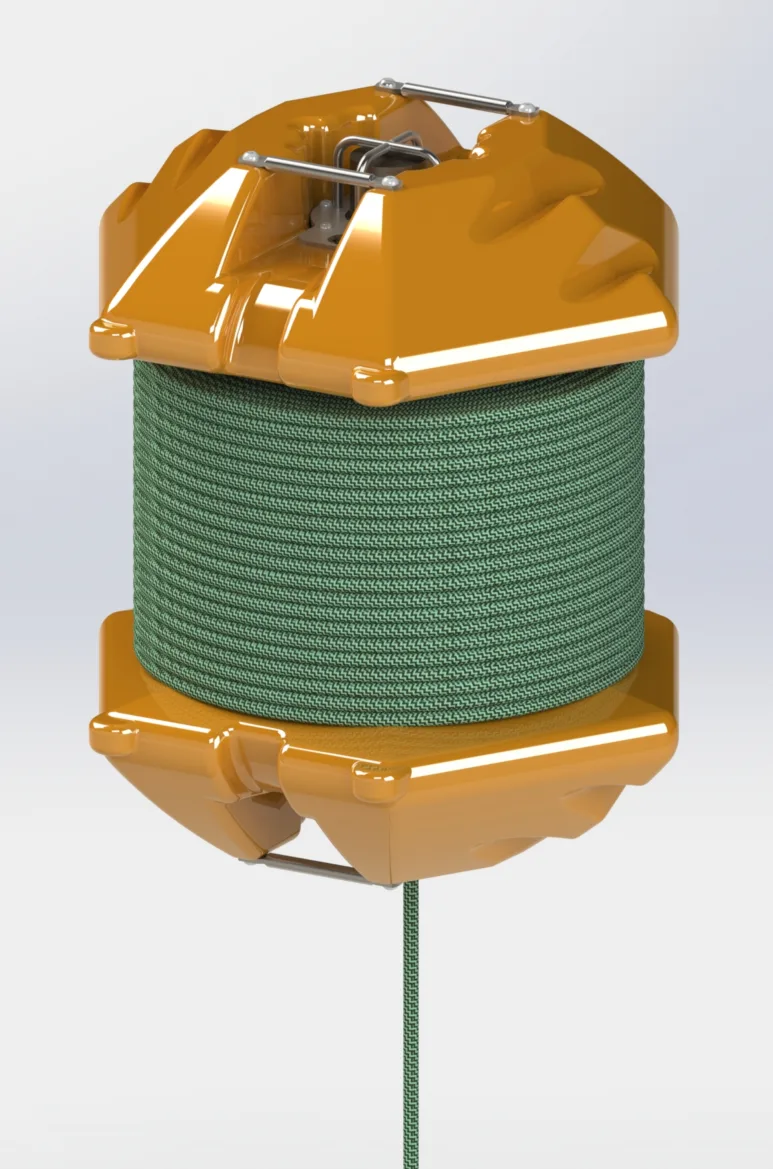
The buoy attaches to the gear and keeps the rope wound on the seafloor until it is triggered.
- Single spooled unit: the rope is wound on the buoy, keeping the water column clear.
- Compact format: takes the least possible deck space.
- Yoyo ascent: the buoy unwinds and floats like a yoyo, reducing surface drag in strong currents.
Sub Sea Sonics’ Trap Timer app
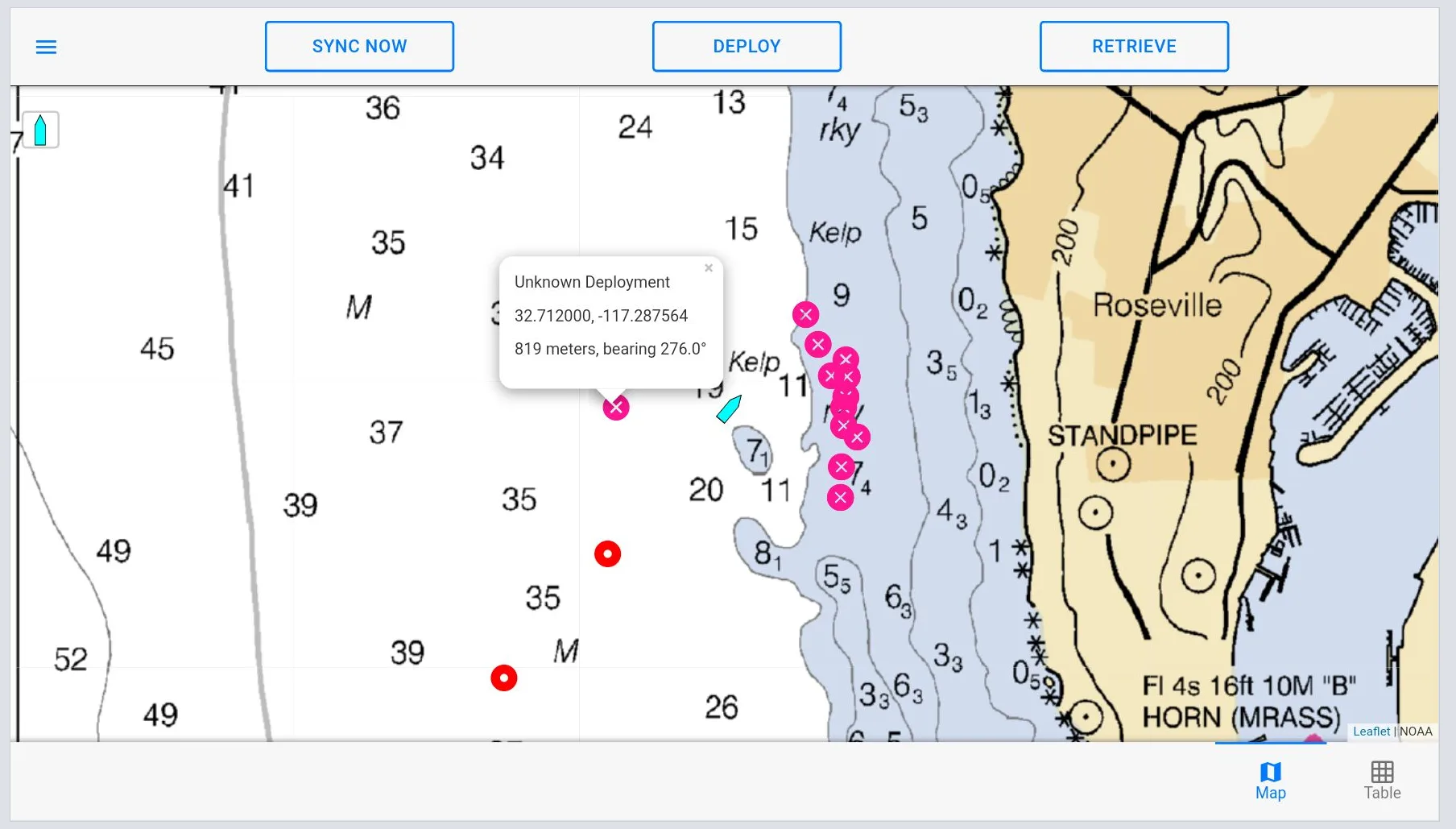
Sub Sea Sonics’ Trap Timer app runs on a tablet or phone, Android or Apple. Use it to locate your buoys and trigger their ascent.
- Buoy location on an interactive map.
- Log of every interaction with each buoy (deployments, triggers, recoveries).
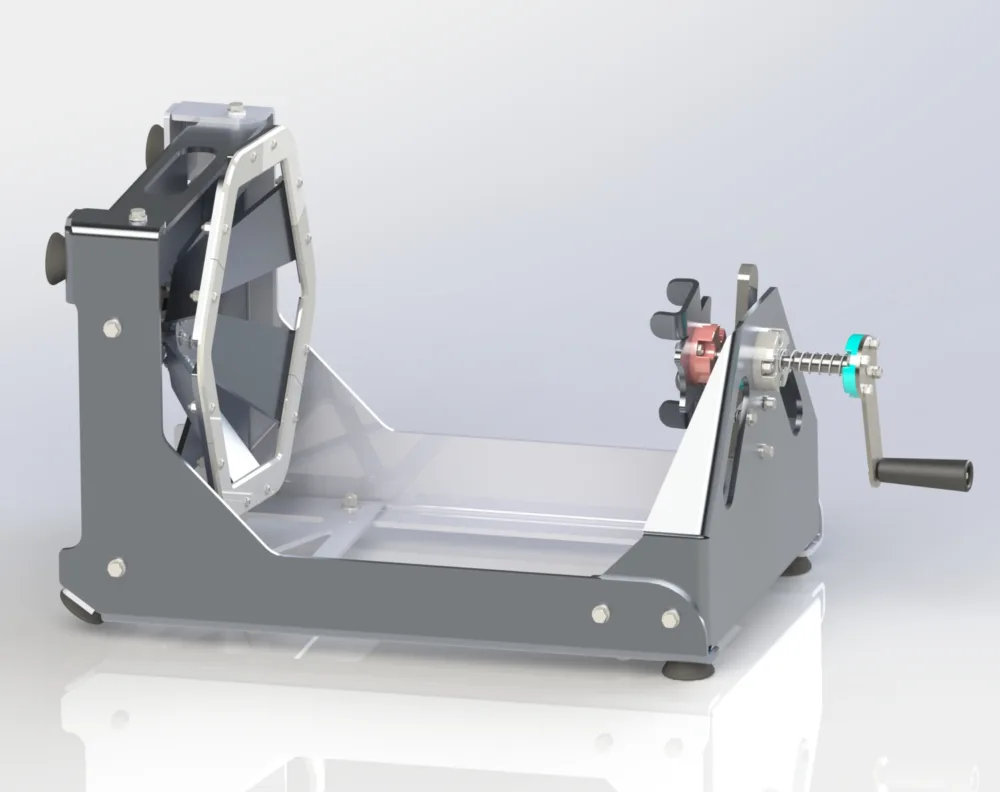
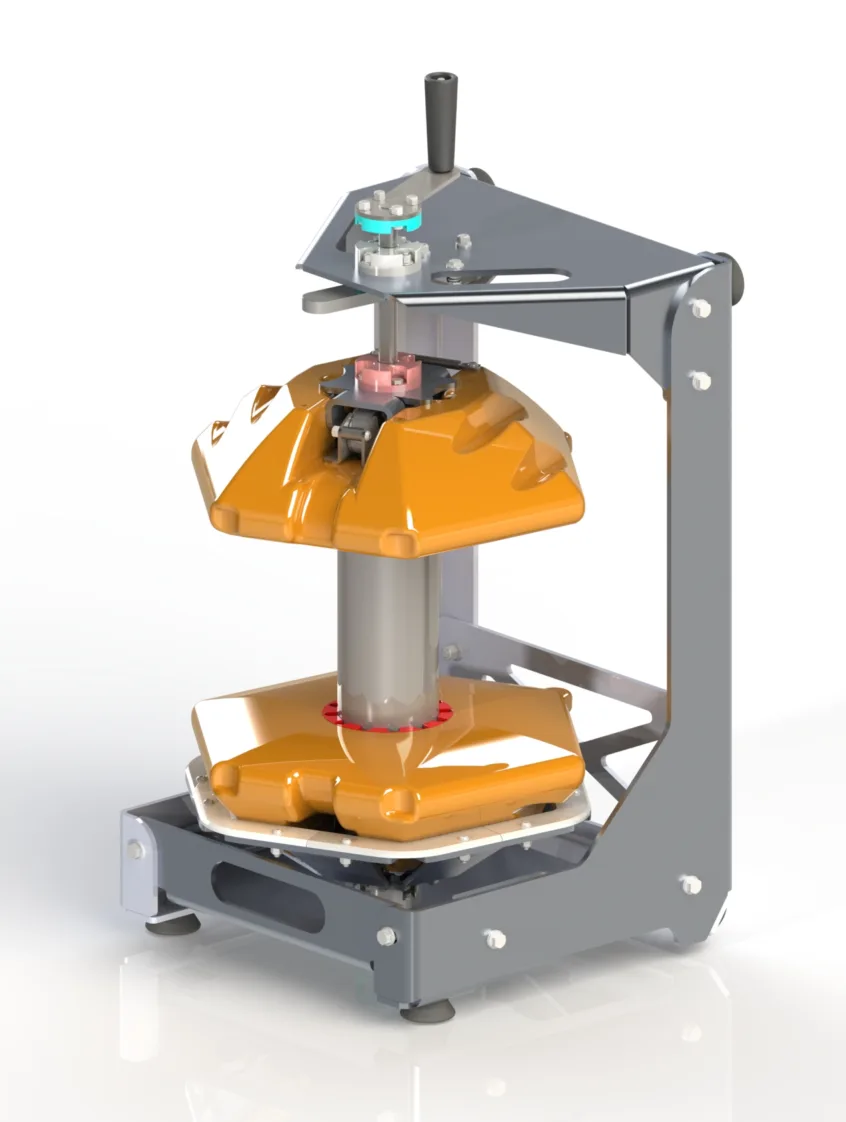
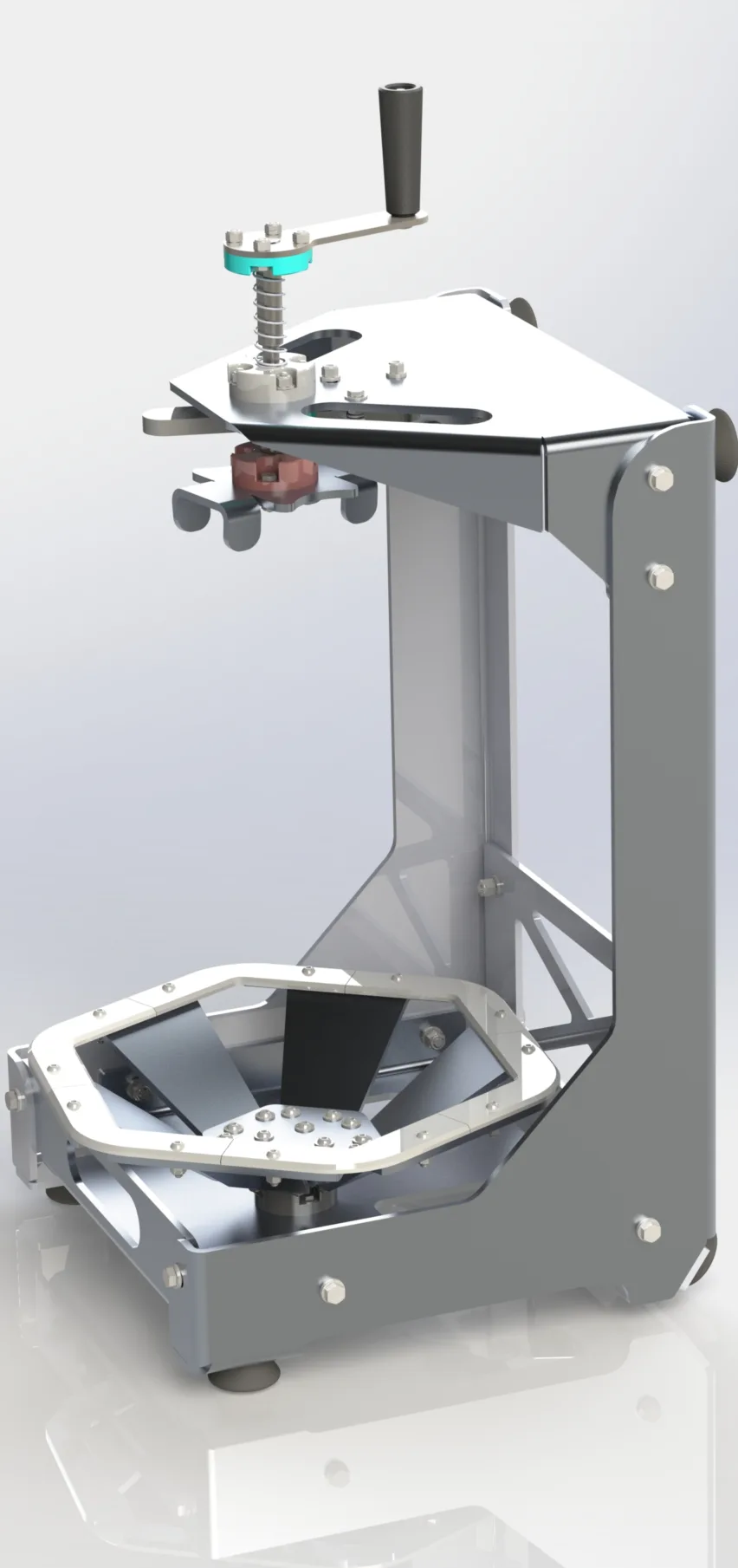
Manual rewinder
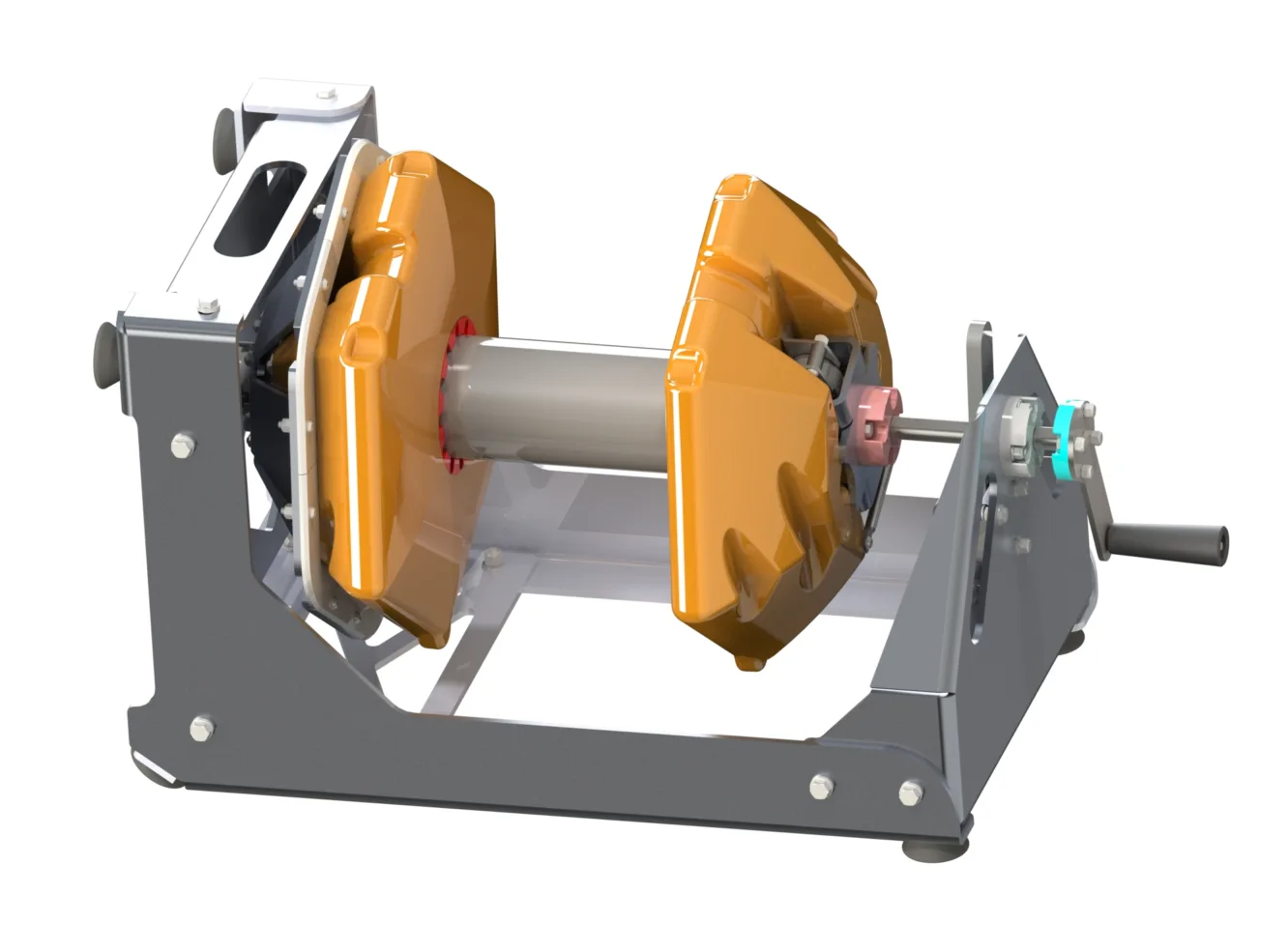
Designed by the Devocean team for DRS-C, the manual rewinder winds the rope back onto the buoy. An optional electric motor can drive it. For now, rewinding is less automated than with the DRS-3 automatic rewinder.
- Designed for the compact DRS-C format.
- Gets the buoy ready for the next deployment.
- Keeps the rope neatly and safely stored.
Options
- Sacrificial component (galvanic): optional, it brings the buoy to the surface after about one year if it has not been retrieved.
- Sub Sea Sonics: compatible with the Sub Sea Sonics acoustic system and app.


Devocean contributes to the UN Sustainable Development Goals.
Request a quote
Tell us about your fishery or project, and we will get back to you with a tailored quote.
Need a customized solution or more information?
Or call us 1-418-944-9328


